Get in Touch
+971 56 448 4762 +971 56 448 4762
Get in Touch
+971 56 448 4762
+971 56 448 4762
Starting From
| Property Types | Apartments |
|---|---|
| Unit Types | Studio, 1, 2, 3 & 4 Bedrooms |
| Handover | Q4 2024 |
| Developer | Dubai Investments |
| Community | Mirdif |
| Down Payment | |
| Payment Plan | Easy Payment Plan |
Mirdif Hills Dubai is a mixed use residential development by Dubai Investments, located in the Mirdif district of Dubai. The project spans a large land area and brings together residential, serviced, and retail components within one master community. It was developed by Dubai Investments Real Estate Company, which is the property arm of Dubai Investments.
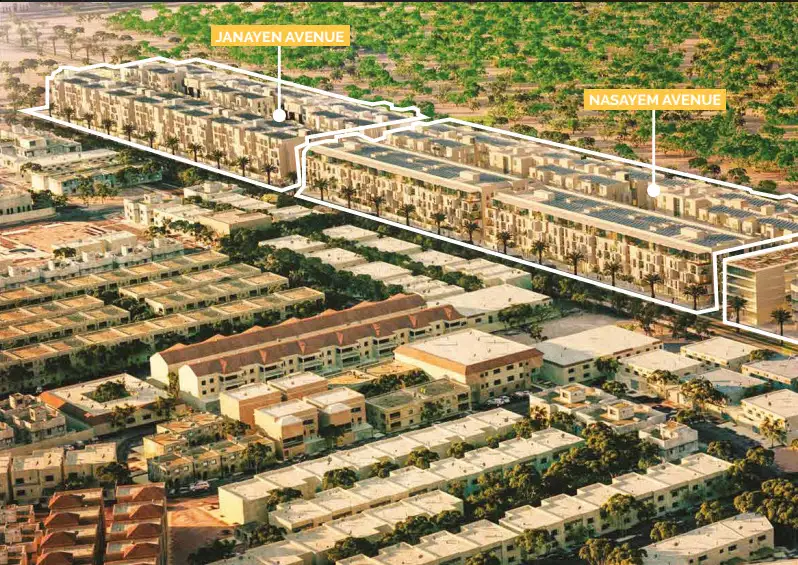
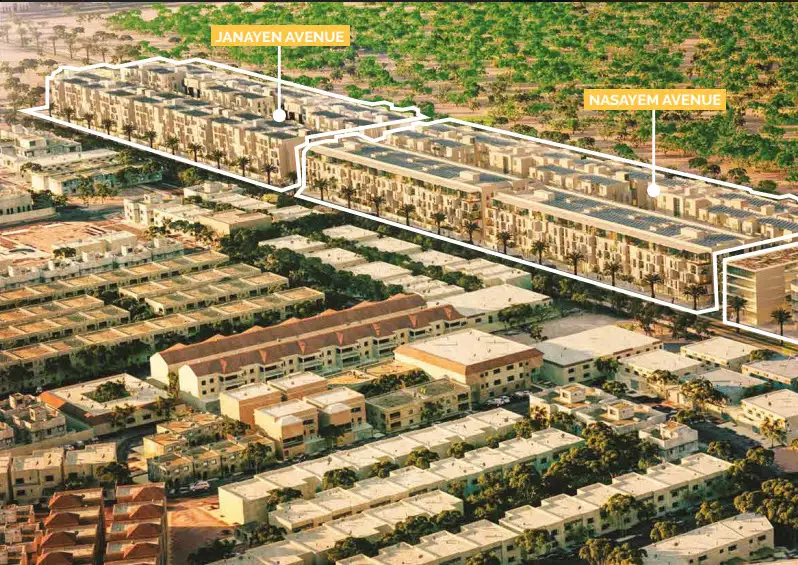
The development includes apartments, duplex units, and serviced residences across several mid rise buildings. It offers studios, 1,2, 3 and 4 bedroom apartments and also features a hotel component and retail spaces within the same community framework. It is a mixed use residential development in Dubai featuring three modern designed avenues named Janayen, Nasayem, and Al Multaqa. The project sits close to Mushrif Park and benefits from its position near established residential zones in eastern Dubai.
Mirdif Hills includes a 4 star Millennium Hotels and Resorts hotel with 116 rooms, along with 128 serviced apartments and retail spaces. The residential component features approximately 1,500 apartments, offering studios, to 4 bedroom units, as well as duplex layouts.
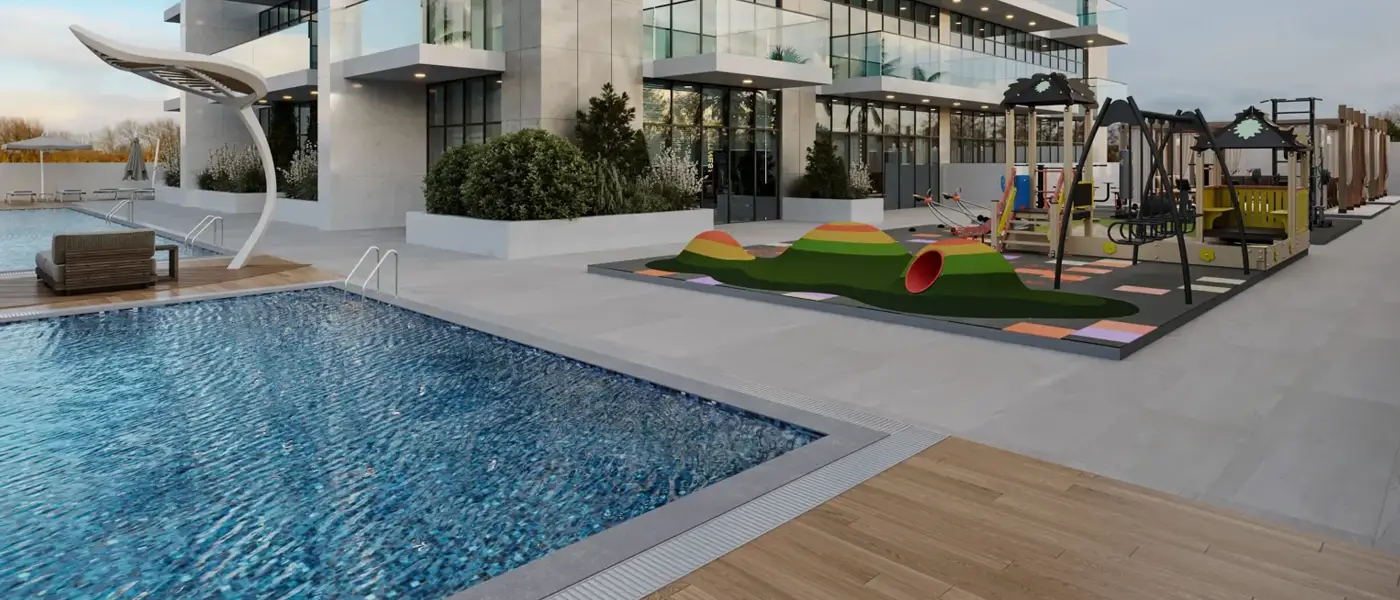
Mirdif Hills was designed as a freehold community, which is not common in the Mirdif area. It offers a mix of unit layouts intended for end users seeking long term housing options. The project includes landscaped areas, internal roads, and shared amenities distributed across its residential clusters. The development is largely completed, and units are available in the secondary market. The overall planning focuses on creating a self contained residential environment with integrated services and daily convenience facilities.
Key Takeaways
Architecture
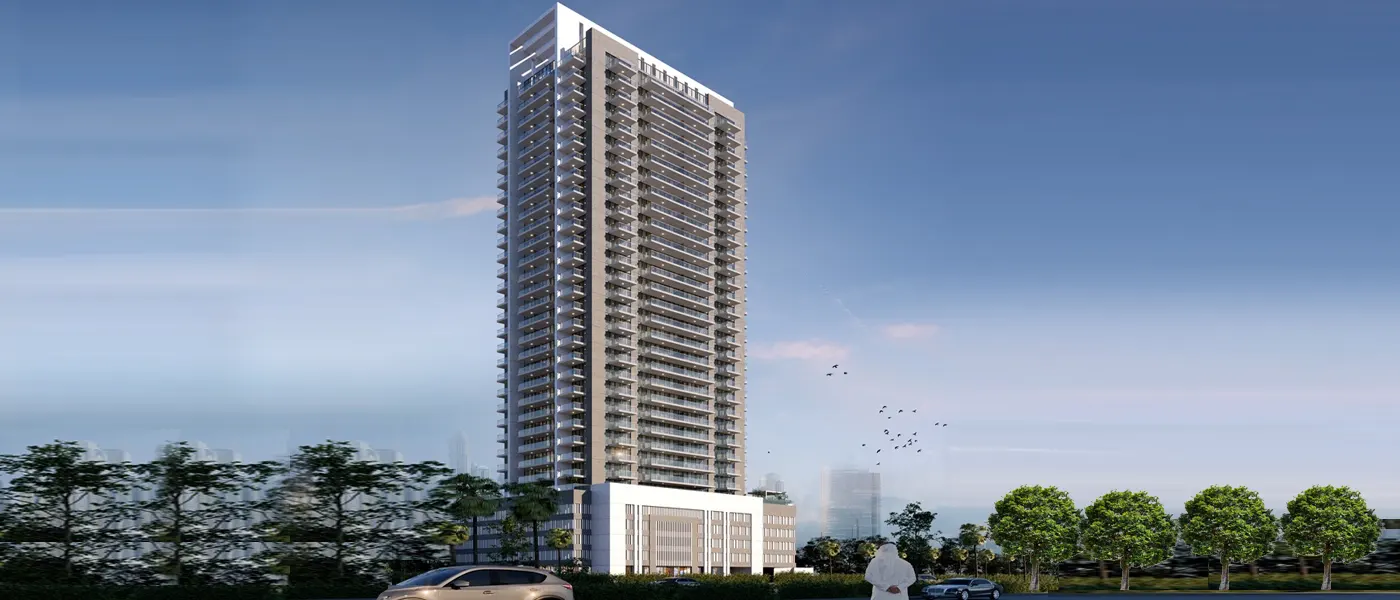
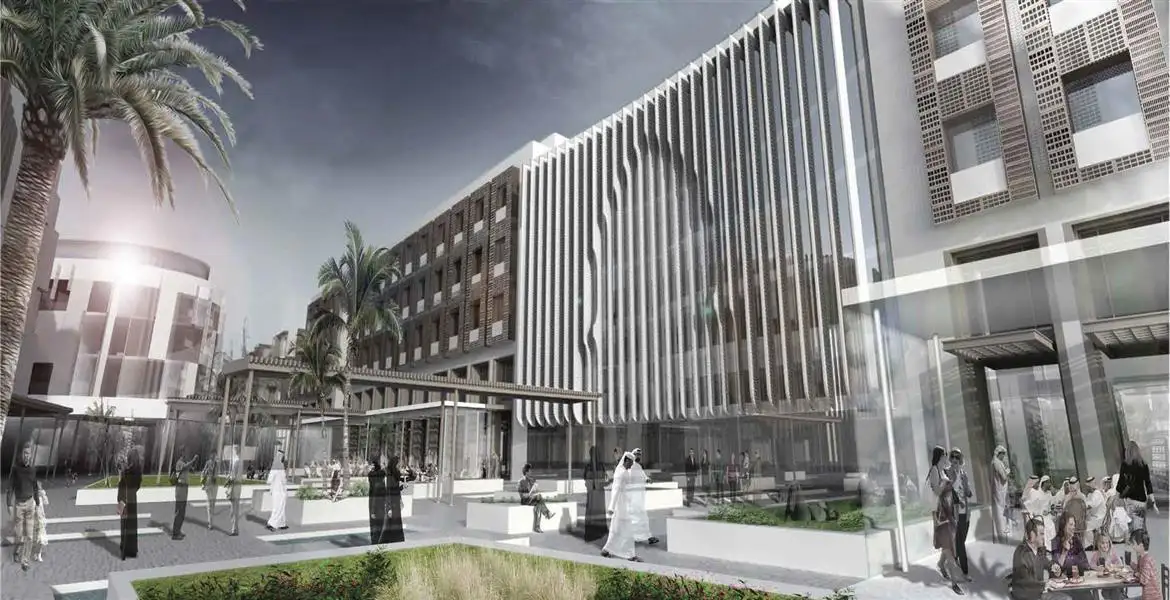
The architecture of Mirdif Hills follows a mid-rise residential format with functional design across multiple buildings. The structures use a contemporary approach with emphasis on usable layouts and consistent façade treatment. Buildings are arranged to create open internal spaces between clusters.
The overall design prioritizes practical living spaces rather than landmark style architecture.

BBQ Areas

Cycling Trials

Community Hall

Childern Park

Hospital

Jogging Trials